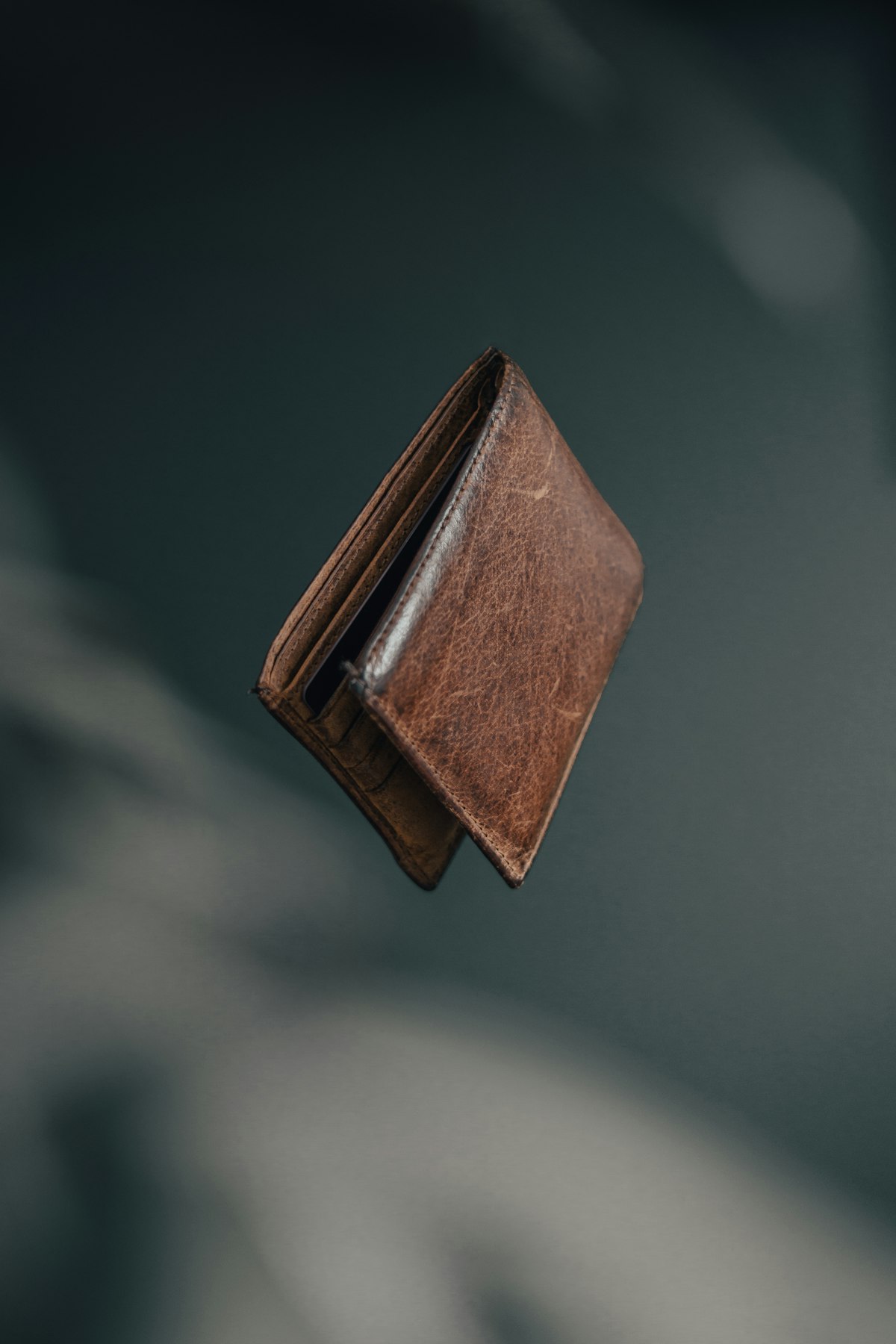
Wallets£85 – £195
Bridle Card Wallets & Billfolds
Six-card slim wallets, classic billfolds and zip-around travel cases. Saddle-stitched in waxed linen thread, edges burnished by hand.
A small leather workshop in Northampton, working English bridle hide into wallets, belts, holdalls and one-off commissions. No machine stitching, no glued edges, no cutting corners. Every piece signed and dated — and put right, free, for as long as we're open.

Every belt, wallet and bag we make starts as a side of full-grain English bridle hide from a single tannery in the West Midlands — one of the last in Europe still oak-bark tanning in pits, the slow way, the way it's been done since the 1700s.
The result is a leather that doesn't crack, doesn't peel, and only gets better with use. Polish it once a year and it'll outlast you. We choose hides ourselves, side by side at the tannery — never blind, never online.
Two needles, one thread, eight per inch. If one stitch fails, the next holds. Machine stitch unzips.
Every panel cut with a half-moon knife on a marble slab. No clicker presses, no rotary dies.
Slicked with gum tragacanth and worked with hardwood until they take a polish like glass.
Roller buckles, D-rings, rivets — solid brass from Walsall, no plated zinc, no plastic.
Initials of the maker, plus year, struck into a hidden panel. Traceable back to the bench.
Stitching loose? Edge worn through? Send it back. We'll put it right, free, for as long as we're here.
We keep the catalogue small on purpose. A few wallets, a few belts, a few bags — each refined over years of bench work. Prices are fixed; the work is not.
Six-card slim wallets, classic billfolds and zip-around travel cases. Saddle-stitched in waxed linen thread, edges burnished by hand.
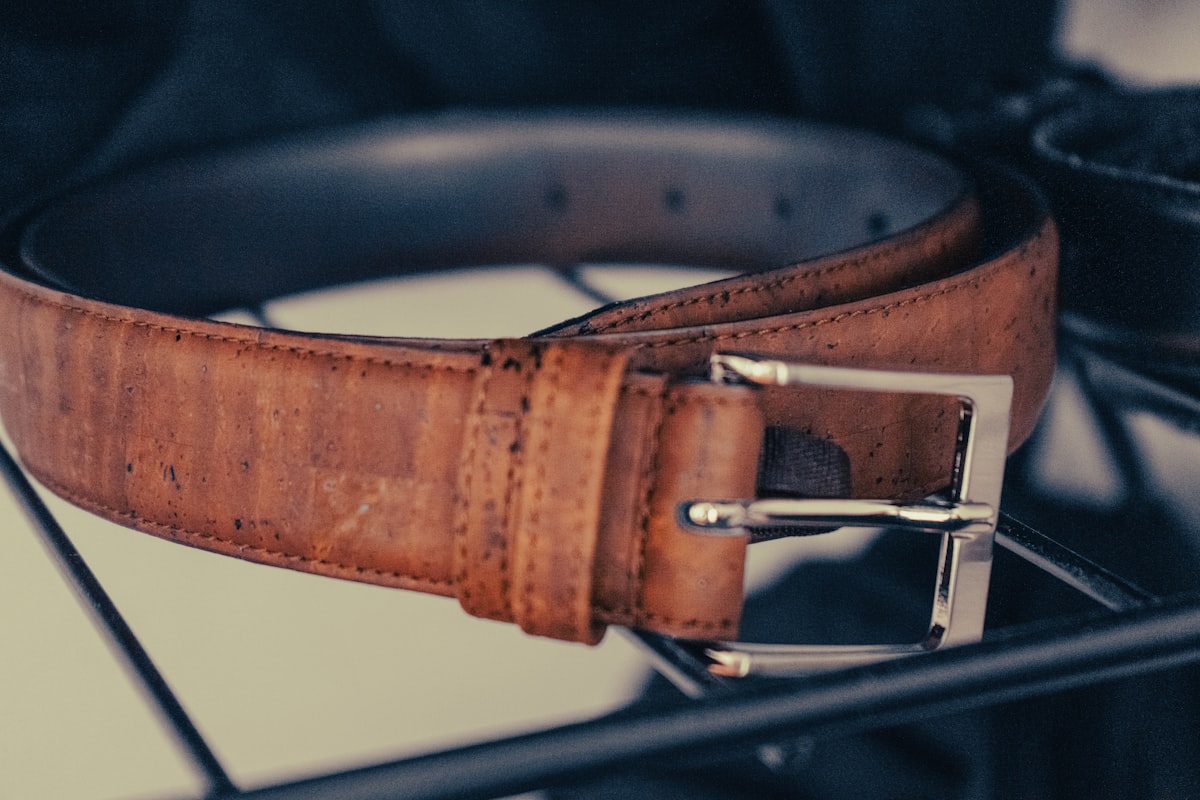
Single layer of full-thickness English bridle, brass roller buckle, hand-skived loops. Cut to your waist measurement to the half-inch.
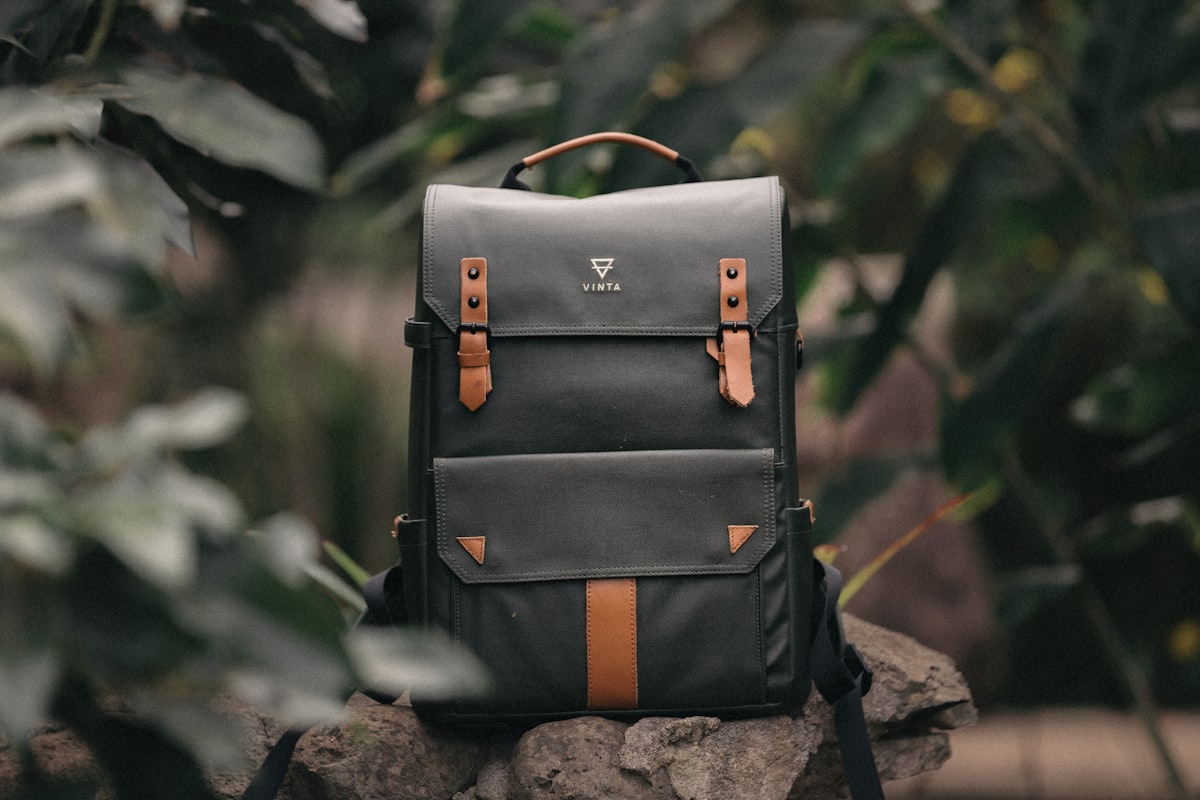
Weekenders, briefcases and rolltop satchels. Solid brass furniture, bridle handles, full lifetime of work in every piece.
About a third of what leaves the bench is one-off. Customers come with an idea — sometimes a photograph, sometimes a rough sketch, sometimes just a worn-out piece they'd like remade properly — and we work it up into a commission.
The first conversation is free. We'll talk through scope, hide colour, thread, hardware, lining and timing, and come back within a week with a fixed quote and a finished sketch. If it's not something we can do well, we'll say so.
We cut a paper template from your brief — measurements, hardware, thread colour, edge profile. Held on file for any future commission.
Bridle hide is laid out grain-side up. Each panel is cut by hand with a half-moon knife — no clicker presses, no rotary blades.
Saddle-stitched two needles at a time, eight stitches per inch in waxed linen. Twice as slow as a machine, and twice as strong.
Edges are bevelled, sanded through three grits, slicked with gum tragacanth and burnished with hardwood until they shine like glass.
Marked with the maker's initials and the year, oiled, and sent out in cotton dust-bag. Lifetime repair offer in the box.
“The belt I bought in 2017 has been through nine years of daily wear and looks better than the day it arrived. I've since had two wallets and a holdall made — all signed by the same maker. That's the bit you don't get on the high street.”
Bridle leather is built to age — but it does need looking after. We oil and condition every piece before it leaves the workshop, and recommend a wipe with a neutral cream once or twice a year.
If something we've made ever fails — a stitch goes, a buckle wears, an edge gets scuffed beyond polishing — post it back to the workshop and we'll repair it free of charge. No quibble, no time limit, no receipts required. It's our work; we stand behind it.
Send a short note — what you'd like, rough size, any deadlines. We'll come back within a few days with a sketch and a fixed quote. No obligation, no sales pitch.